








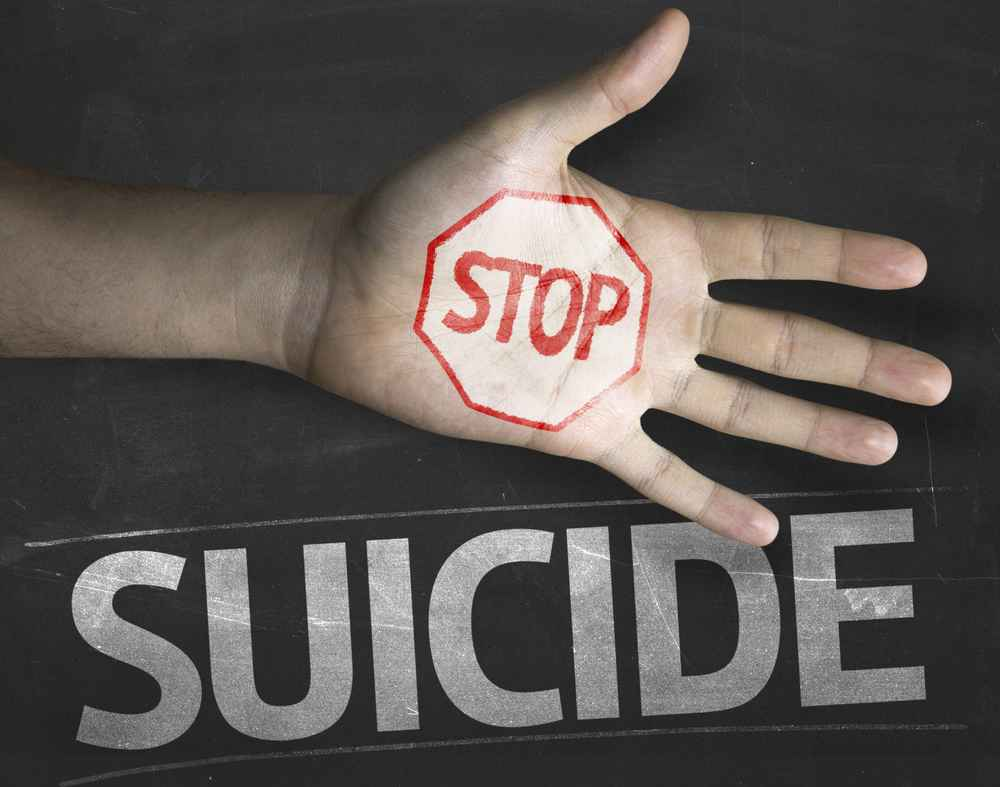
he Supreme Court, while quashing a case for abetment of suicide against an accused, discussed the essentials to convict a person under Section 306 of the Indian Penal Code(IPC). It is pertinent to note that “Abetment” is defined under section 107 IPC. The Court explained that, for the first part of Section 107 to apply, the accused must have intentionally encouraged and pushed the person intensely to commit suicide. He must have planned it and his act should be very close to the time when the person actually committed suicide.
It observed “To attract the first clause under section 107 IPC, there must be instigation in some form on the part of the accused to cause the deceased to commit suicide. Hence, the accused must have mens rea to instigate the deceased to commit suicide. The act of instigation must be of such intensity that it is intended to push the deceased to such a position under which he or she has no choice but to commit suicide. Such instigation must be in close proximity to the act of committing suicide.”
The Supreme Court bench comprising Justices Abhay S. Oka and Justice Pankaj Mithal was hearing an appeal against a Uttarakhand High Court judgment which dismissed a plea seeking to quash the offence related to a suicide case.
The case revolved around the suicide of the deceased, Ashok Kumar, allegedly due to threats, assault, and a financial dispute between him and the first appellant, the son of a money lender, Sandeep Bansal. In this case, the widow of the deceased had borrowed a sum of Rs.40,000 from Sandeep Bansal and later another sum of Rs.60,000. The deceased was allegedly under tension due to a legal notice issued by Sandeep regarding dishonored cheques. The deceased, distressed by the events, purportedly committed suicide on July 4, 2017.








+ There are no comments
Add yours