







In the J&K case, SC acknowledged the Association government’s confirmation that Statehood will be reestablished to J&K soon; in the Hindenburg-Adani case, the court put money on SEBI’s guarantee to quickly finish its test
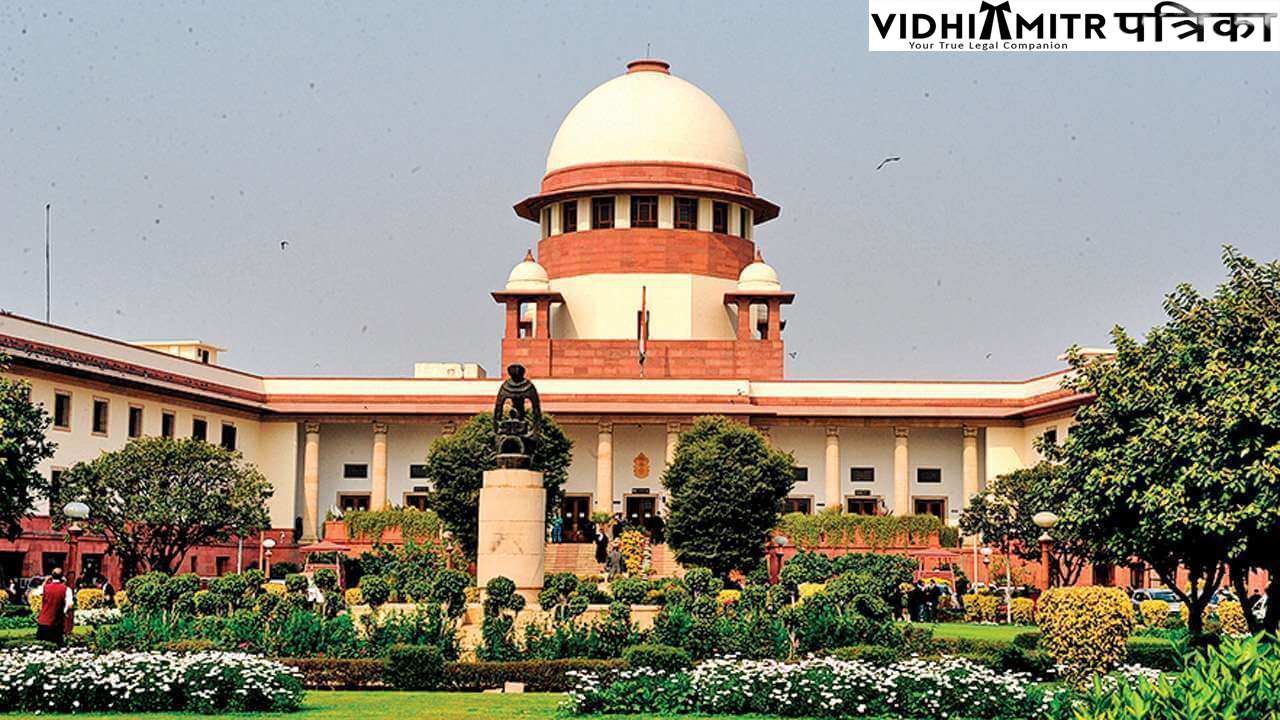
Two late decisions in pivotal cases have seen the High Court bank on the public authority’s affirmations to set things on target. The first came from a Constitution Seat headed by Boss Equity of India D.Y. Chandrachud, which chose to breathe a sigh of relief on the rear of a confirmation given by the Specialist General, addressing the Association government, that Statehood will before long be reestablished to Jammu and Kashmir.
In the subsequent judgment, a three-judge Seat likewise drove by the CJI took the expression of the Specialist General, this time addressing the Protections and Trade Leading body of India (SEBI), that its examinations against the Adani gathering will be finished quickly.
Article 144 of the Constitution orders that “all specialists, common and legal, in the domain of India will act in help of the High Court”.

“Reverting to State of jammu & Kashmir will be in future”
“The Specialist General (for the Association of India) presented that Statehood will be reestablished to Jammu and Kashmir and that its status as an Association Domain is transitory,” Boss Equity Chandrachud noticed. This is essential for the lead assessment which he composed on December 11 while maintaining the annulment of Article 370 of the Constitution and the redesign of the Province of Jammu and Kashmir into two Association Regions.
The court additionally decided to acknowledge the Specialist General’s accommodation that the situation with the UnionTerritory of Ladakh would “not be impacted” by the reclamation of Statehood to Jammu and Kashmir. So, Ladakh, which was essential for the past State, will stay an Association Domain.
“Considering the accommodation made by the Specialist General that Statehood would be reestablished of Jammu and Kashmir, we don’t track down it important to decide if the rearrangement of the Territory of Jammu and Kashmir into two Association Regions of Ladakh and Jammu and Kashmir is admissible under Article 3,” the court closed.
Article 3 of the Constitution manages any changes made in the name or region of a State, and says that the inquiry ought to be alluded to the State Council for its perspectives.
‘Thorough test’
The subsequent occurrence was in the Hindenburg-Adani case. The three-judge Seat of the court found the SEBI examination concerning the Adani bunch “exhaustive”. The candidates had looked for an exchange of the test from the SEBI to another organization like the Focal Department of Examination, or even the development of an Exceptional Examination Group by the court.
In any case, Boss Equity Chandrachud, representing the Seat through its judgment, noticed that 22 examinations were finished, while two stayed forthcoming as contributions from unfamiliar controllers were anticipated. The court practically supported SEBI’s job as controller and examiner, it was no “obvious administrative disappointment” nor “conscious inaction or deficiency” in the test against the Adani gathering to express that there.
The court, while noticing that the examination is “perplexing”, recorded “the confirmation given by the Specialist General for SEBI that the examinations would be finished up speedily”.




+ There are no comments
Add yours